Machining is the process of giving workpieces the desired shape, dimensions, and surface quality by partially removing material with cutting tools. Machining includes turning, milling, planing, and grinding.
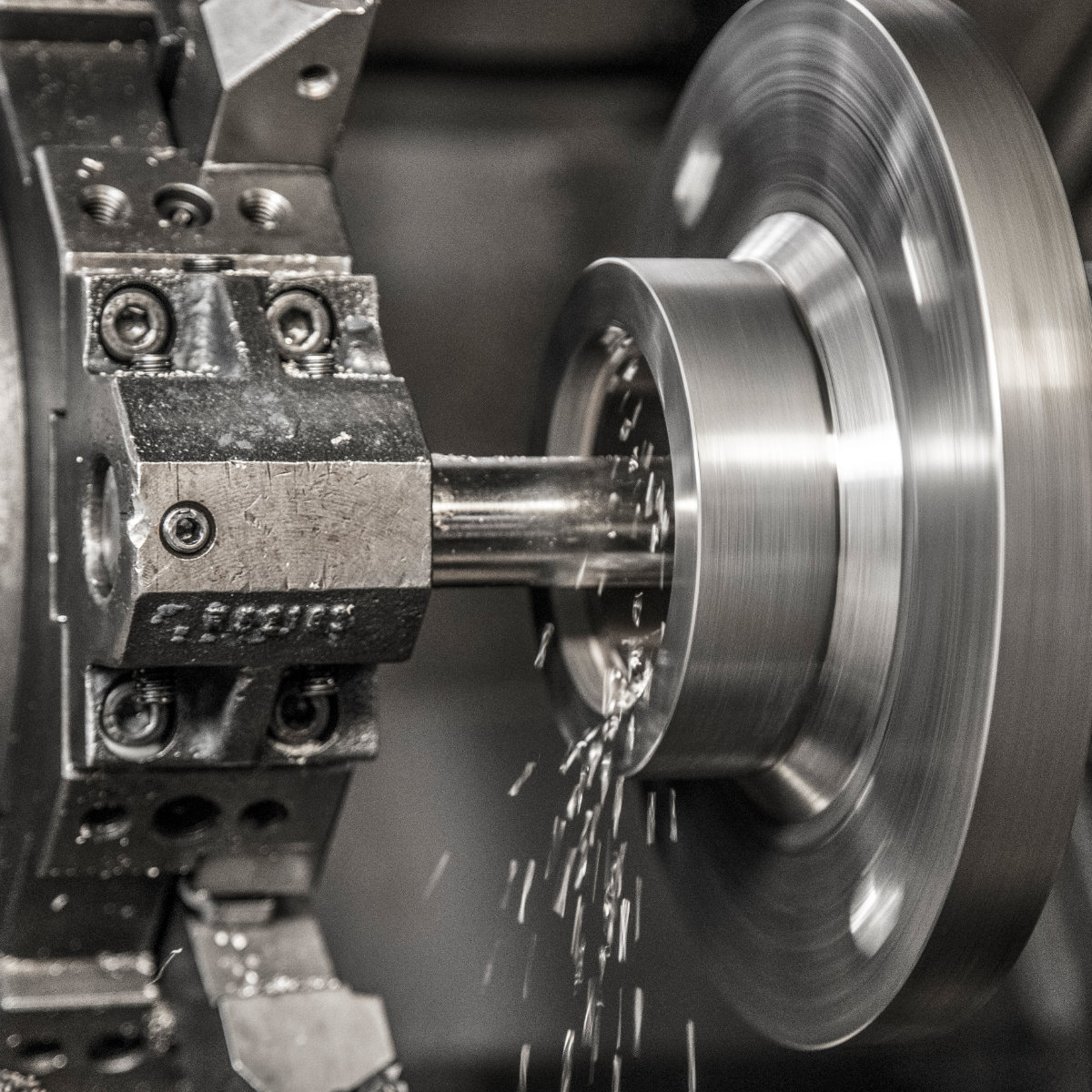
Turning is the most common machining method, involving a workpiece in a rotary motion while the tool (turning tool) performs a linear motion. The basic types of turning are: longitudinal turning (the direction of the tool’s movement is parallel to the workpiece’s axis of rotation) – external (turning) or internal (boring), transverse turning (the direction of the tool’s movement is perpendicular to the workpiece’s axis of rotation), copy turning (based on a pattern that controls the tool’s feed motion along essentially any line), and hobbing. Turning is performed on lathes.
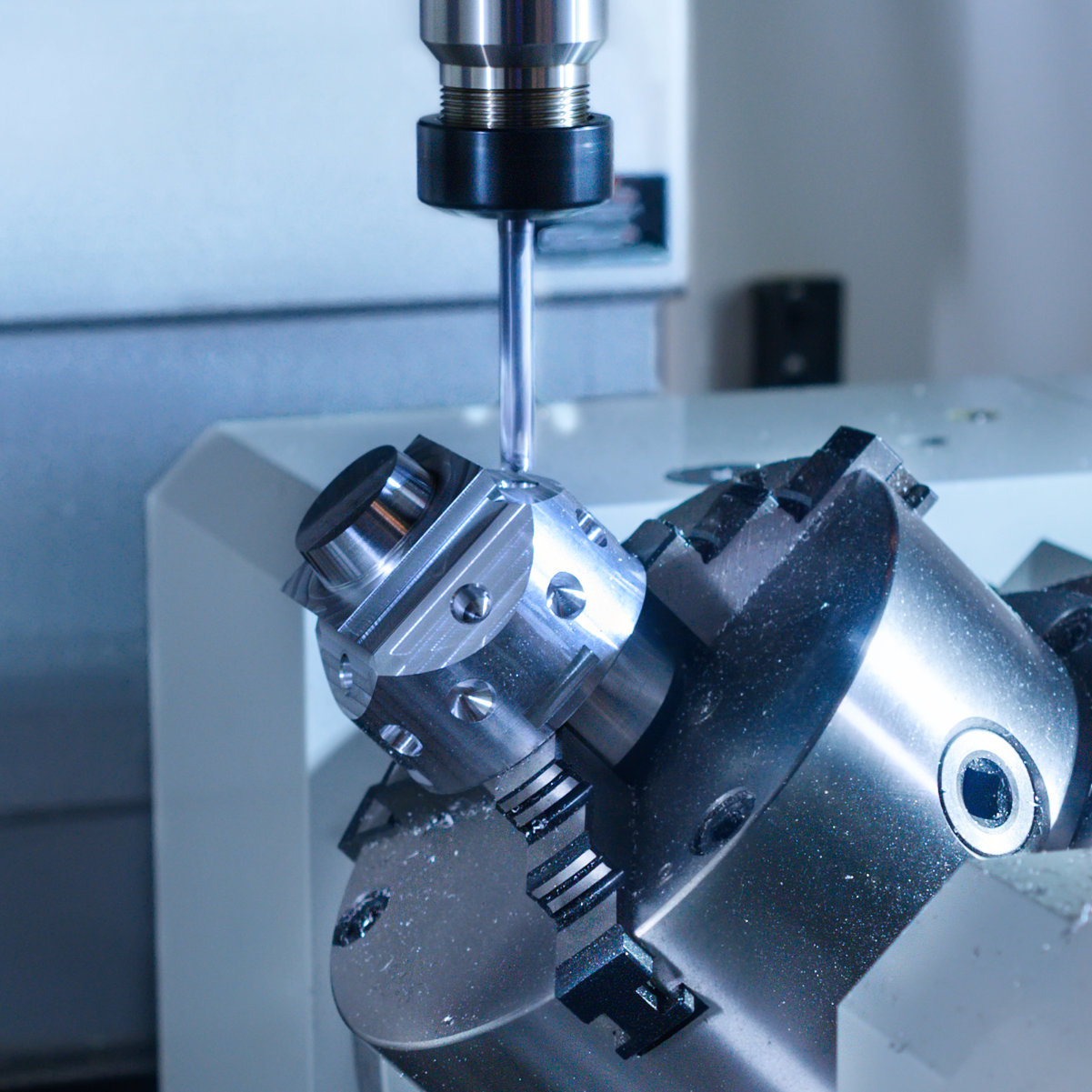
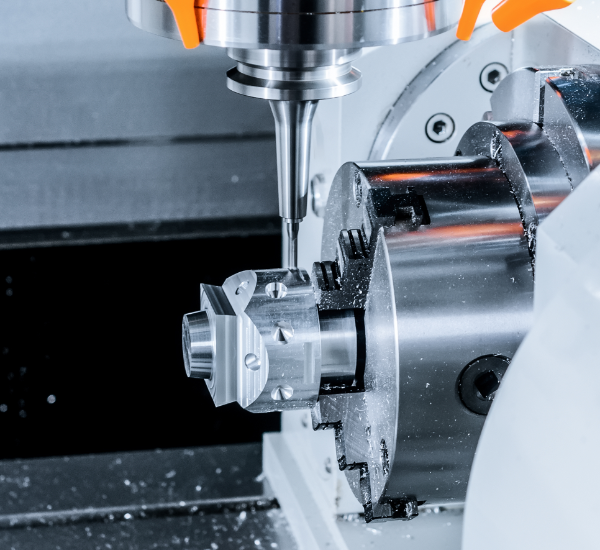
Milling, a type of machining of objects made of metal, wood, plastics, or other machinable materials using a multi-tooth tool (milling cutter) on a machine tool called a milling machine. During milling, the tool performs the rotary motion, while the workpiece (sometimes also the tool) performs the feed motion. Depending on the position of the cutter’s axis of rotation relative to the machined surface, a distinction is made between peripheral milling and face milling. Depending on the direction of the feed motion relative to the working motion, a distinction is made between down-cut and up-cut milling. Specific types of milling include: copy milling, thread milling, hobbing, etc.
Grinding, abrasive machining, a machining method in which the cutting tool is a grinding wheel, whetstone, or abrasive belt. Grinding is used for machining hardened steel objects (e.g. cutting tools), for removing small amounts of material from rolled, forged or cast objects, and for finishing metal objects.